Journal Home
OPEN ACCESS
A Quranic Health Resilience Index: Measuring Preventive Health and Community Well-being Through Scriptural Indicators
| Prof. Dr Kazi Abdul Mannan Department of Business Administration Faculty of Business Shanto-Mariam University of Creative Technology Dhaka, Bangladesh ORCID: https://orcid.org/0000-0002-7123-132X |
| Corresponding author: Prof. Dr Kazi Abdul Mannan:drkaziabdulmannan@gmail.com |
Rev. med. surg. dent. 2026, 5(2); https://doi.org/10.64907/xkmf.v5.i2.rmsd.1
Submission received: 1 April 2026 / Revised: 19 May 2026 / Accepted: 1 June 2026 / Published: 11 June 2026
Download PDF (967 KB)
Abstract
The growing prevalence of chronic diseases, mental health challenges, environmental degradation, and social fragmentation has highlighted the need for comprehensive approaches to preventive health and community well-being. This study develops a conceptual framework entitled the Quranic Health Resilience Index (QHRI), designed to measure health resilience through scriptural indicators derived from the Quran. Employing a qualitative research design, the study conducts a thematic analysis of Quranic verses related to health, nutrition, hygiene, psychological well-being, social solidarity, environmental stewardship, preventive behaviour, and spirituality. The findings reveal that the Quran presents a multidimensional and preventive understanding of health in which physical, psychological, social, environmental, and spiritual dimensions are closely interconnected. Eight resilience domains were identified: nutritional resilience, hygiene resilience, psychological resilience, physical lifestyle resilience, social resilience, environmental resilience, preventive health resilience, and spiritual resilience. Together, these domains constitute the proposed Quranic Health Resilience Index. The study argues that the QHRI provides a novel interdisciplinary framework that contributes to public health, resilience studies, and Quranic scholarship by offering a holistic model for assessing preventive health and community well-being. The framework also provides a foundation for future empirical research and the development of measurable resilience indicators.
Keywords: Quranic Health Resilience Index, preventive health, community well-being, health resilience, public health, Quranic studies, qualitative thematic analysis
1. Introduction
Health is one of the most fundamental components of human existence and serves as a prerequisite for social, economic, intellectual, and spiritual development. Throughout history, societies have sought effective methods to preserve health, prevent disease, and enhance quality of life. In contemporary public health discourse, the concept of health extends far beyond the absence of illness and encompasses physical, mental, social, environmental, and emotional well-being (World Health Organisation [WHO], 2023). Consequently, researchers and policymakers increasingly recognise the importance of holistic frameworks that integrate multiple determinants of health into comprehensive models of prevention and resilience.
One of the most significant developments in recent public health scholarship has been the emergence of the concept of resilience. Health resilience refers to the capacity of individuals, communities, and institutions to withstand, adapt to, and recover from adverse circumstances while maintaining or improving health outcomes (Southwick et al., 2014). Resilience has become particularly important in the context of global challenges such as pandemics, climate change, population ageing, mental health disorders, food insecurity, and widening socioeconomic inequalities. These challenges have demonstrated that health outcomes are influenced not only by medical interventions but also by behavioural, social, environmental, and cultural factors.
The growing prevalence of non-communicable diseases further underscores the importance of preventive health approaches. According to the WHO (2023), cardiovascular diseases, diabetes, chronic respiratory illnesses, obesity, and certain cancers account for a substantial proportion of global mortality and morbidity. Many of these conditions are closely linked to lifestyle behaviours, including unhealthy dietary habits, physical inactivity, substance misuse, chronic stress, and inadequate social support. As a result, contemporary public health increasingly emphasises prevention, health promotion, and community-based interventions rather than relying solely on curative medicine.
Within this context, religion has attracted considerable scholarly attention as a potential contributor to health resilience. Religious traditions frequently provide ethical guidelines, behavioural regulations, social support networks, and coping mechanisms that influence health-related behaviours (Koenig, 2012). Numerous studies have demonstrated positive associations between religious engagement and various indicators of well-being, including lower levels of psychological distress, greater life satisfaction, improved social cohesion, and healthier lifestyle choices (Levin, 2020). Consequently, religious texts and traditions represent valuable yet often underutilised sources of knowledge for health promotion and preventive medicine.
Among the world’s major religious texts, the Quran offers a particularly comprehensive perspective on human well-being. Although the Quran is primarily a religious and moral guide, it contains numerous teachings relevant to health, hygiene, nutrition, environmental stewardship, social responsibility, and psychological well-being. Rather than presenting health as an isolated biological phenomenon, the Quran portrays human well-being as the outcome of balanced relationships among individuals, communities, the natural environment, and the Creator. This holistic orientation aligns with contemporary multidimensional understandings of health and wellness.
Several Quranic principles possess direct relevance to preventive health. These include moderation in food consumption, maintenance of cleanliness, avoidance of harmful behaviours, preservation of life, promotion of social solidarity, environmental responsibility, and cultivation of psychological resilience through patience, gratitude, and hope. Collectively, these principles suggest the existence of an integrated health paradigm that extends beyond conventional biomedical models. However, despite increasing scholarly interest in religion and health, relatively little research has attempted to systematically organise these Quranic teachings into a measurable framework capable of assessing health resilience at individual or community levels.
Existing studies frequently examine specific health-related themes within the Quran, such as nutrition, mental health, medical ethics, or environmental sustainability. While these contributions have enriched the understanding of Islamic perspectives on health, they often remain fragmented and fail to provide a unified analytical structure. Furthermore, there is a notable absence of quantitative or semi-quantitative models derived directly from Quranic teachings that can be used to evaluate preventive health practices and community well-being. This gap limits opportunities for interdisciplinary dialogue between public health research and Quranic studies.
The present study addresses this gap through the development of the Quranic Health Resilience Index (QHRI), a conceptual framework designed to measure preventive health and community well-being through scriptural indicators derived from the Quran. The proposed index seeks to identify key domains of health resilience embedded within Quranic teachings and organise them into a coherent framework suitable for future empirical assessment. By integrating principles related to nutrition, hygiene, mental health, social support, environmental stewardship, preventive behaviour, physical well-being, and spirituality, the QHRI aims to provide a multidimensional approach to health assessment grounded in scriptural evidence.
The significance of this study lies in its interdisciplinary nature. It contributes to public health by introducing a novel resilience framework, while simultaneously contributing to Quranic studies through the systematic examination of health-related themes. Furthermore, the proposed index may serve as a foundation for future comparative research exploring relationships between scriptural health principles and contemporary health promotion models. Ultimately, the study seeks to demonstrate that Quranic teachings offer not only theological guidance but also practical insights relevant to preventive medicine, community health, and sustainable well-being in the modern world.
2. Literature Review
The literature on health resilience, preventive medicine, public health, religion, and well-being provides an important foundation for understanding the relevance of Quranic teachings to contemporary health challenges. Previous studies have demonstrated that health is influenced by a complex interaction of biological, psychological, social, environmental, and spiritual factors rather than by medical conditions alone. Similarly, growing scholarly interest in religion and health has highlighted the role of faith-based values, behaviours, and support systems in promoting resilience and well-being. This section reviews key theoretical and empirical contributions related to health resilience, preventive health, religion and health, and Quranic perspectives on well-being. It further identifies existing research gaps and establishes the intellectual basis for developing the Quranic Health Resilience Index (QHRI) as a comprehensive framework for assessing preventive health and community well-being through scriptural indicators.
2.1 Conceptualising Health Resilience
The concept of resilience has evolved substantially over the past several decades. Initially developed within psychology to explain how individuals successfully adapt to adversity, resilience has subsequently been applied across numerous disciplines, including sociology, disaster management, ecology, education, and public health (Ungar, 2018). Although definitions vary, resilience generally refers to the capacity to maintain positive functioning despite exposure to significant stressors or challenges.
In public health, resilience extends beyond individual coping mechanisms to encompass communities, institutions, and health systems. Kruk et al. (2015) define health resilience as the ability of populations and health infrastructures to prepare for, respond to, and recover from disruptions while maintaining essential services and promoting well-being. This perspective recognises that health outcomes are influenced by complex interactions among biological, social, environmental, economic, and political factors.
Recent scholarship emphasises that resilience should not be understood merely as recovery after crisis but also as the capacity to anticipate risks, prevent harm, and strengthen adaptive capacities before adverse events occur (Southwick et al., 2014). Consequently, preventive health behaviours have become central components of resilience-oriented public health strategies.
2.2 Preventive Health and Health Promotion
Preventive health represents one of the most effective approaches for reducing disease burden and improving population well-being. Modern preventive medicine encompasses primary prevention, secondary prevention, and tertiary prevention. Primary prevention focuses on avoiding disease before it occurs through health-promoting behaviours such as balanced nutrition, physical activity, vaccination, and environmental protection (Gordis, 2014).
Health promotion frameworks emphasise empowering individuals and communities to improve their health by addressing behavioural and social determinants. The Ottawa Charter for Health Promotion identified supportive environments, community participation, healthy public policies, and personal skill development as essential elements of effective health promotion (WHO, 1986).
Contemporary public health increasingly acknowledges that prevention cannot be achieved solely through clinical interventions. Instead, successful prevention requires integrated approaches that address social relationships, environmental conditions, psychological well-being, cultural values, and ethical behaviours (Marmot et al., 2020). These multidimensional perspectives provide an important foundation for examining health-related teachings within religious traditions.
2.3 Religion and Health: Theoretical Perspectives
The relationship between religion and health has become an important area of interdisciplinary research. Numerous studies suggest that religious beliefs and practices can influence health outcomes through several pathways, including behavioural regulation, social support, psychological coping, and meaning-making processes (Koenig, 2012).
One of the most frequently cited mechanisms involves behavioural guidance. Many religious traditions encourage healthy lifestyles while discouraging behaviours associated with disease and social harm. Such teachings may contribute to lower rates of substance abuse, risky behaviours, and psychological distress among religiously engaged individuals (Levin, 2020).
A second mechanism concerns social integration. Religious communities often provide support networks that facilitate emotional assistance, practical aid, and collective problem-solving during times of adversity. Social support is consistently recognised as a significant predictor of physical and mental health outcomes (Holt-Lunstad et al., 2010).
Third, religion may enhance psychological resilience by offering frameworks through which individuals interpret suffering, uncertainty, and life challenges. Concepts such as hope, gratitude, forgiveness, trust, and purpose have been associated with improved mental health and coping capacities (Pargament, 2013).
Collectively, these findings suggest that religious traditions possess substantial potential for contributing to preventive health and resilience-building initiatives.
2.4 Health and Well-Being in the Quran
The Quran presents a holistic understanding of human well-being that encompasses physical, psychological, social, environmental, and spiritual dimensions. Unlike purely biomedical frameworks, Quranic teachings emphasise the interconnectedness of various aspects of life and encourage balanced living.
One of the most prominent themes concerns moderation in consumption. The Quran instructs individuals to eat and drink while avoiding excess, thereby promoting balanced dietary practices (Quran 7:31). Contemporary researchers have noted parallels between these teachings and modern nutritional recommendations emphasising moderation and healthy eating patterns (Ali, 2015).
The Quran also emphasises the importance of lawful and wholesome food. Although these concepts possess theological significance, they additionally encourage attention to food quality, safety, and ethical consumption. Such principles may contribute to healthier dietary behaviours and greater awareness of food-related health risks.
2.5 Hygiene and Public Health in Quranic Teachings
Cleanliness constitutes another significant theme within Quranic teachings. Purification practices are frequently mentioned in connection with worship and daily life. Scholars have argued that these teachings contribute to both spiritual and physical well-being by encouraging regular personal hygiene and environmental cleanliness (Rahman, 2017).
Modern public health research consistently identifies hygiene as a critical factor in disease prevention. Handwashing, sanitation, safe water practices, and environmental cleanliness play essential roles in reducing infectious disease transmission (WHO, 2023). Consequently, Quranic emphasis on cleanliness may be interpreted as contributing to preventive health resilience.
2.6 Mental Health and Psychological Resilience
Mental health has become a major global concern. Anxiety, depression, stress-related disorders, and social isolation affect millions of individuals worldwide. The Quran addresses numerous psychological themes relevant to resilience, including patience, gratitude, hope, trust, perseverance, and emotional self-regulation.
Rothman and Coyle (2018) argue that Quranic teachings provide a comprehensive framework for psychological well-being by fostering positive cognitive and emotional responses to adversity. Concepts such as patience during hardship and gratitude during prosperity can function as protective psychological resources that enhance resilience.
Emerging research in positive psychology similarly highlights the importance of gratitude, optimism, purpose, and meaning in promoting mental health (Seligman, 2011). These parallels suggest significant opportunities for integrating Quranic insights into resilience-oriented mental health frameworks.
2.7 Social Solidarity and Community Well-Being
Community well-being is a central concern in both public health and Quranic teachings. Social relationships influence health through multiple pathways, including emotional support, resource sharing, collective action, and social cohesion (Holt-Lunstad et al., 2010).
The Quran repeatedly encourages cooperation, compassion, charitable giving, justice, and mutual assistance. These principles contribute to social solidarity and strengthen collective resilience during periods of crisis and uncertainty. Communities characterised by strong social ties generally exhibit better health outcomes, lower mortality rates, and greater adaptive capacities than socially fragmented populations (Marmot et al., 2020).
Therefore, social solidarity represents a critical dimension of any Quranically informed health resilience framework.
2.8 Environmental Stewardship and Sustainable Health
Environmental sustainability has become increasingly important within public health discourse. Climate change, biodiversity loss, pollution, and resource depletion pose significant threats to human well-being (WHO, 2023).
The Quran emphasises balance within creation and discourages environmental degradation. Human beings are portrayed as stewards entrusted with the responsibility for maintaining ecological harmony (Nasr, 2010). Such teachings align closely with contemporary sustainability principles and support the integration of environmental indicators into health resilience assessment.
2.9 Research Gap
Although considerable scholarship has explored religion and health, significant gaps remain. Existing studies often focus on individual themes such as nutrition, hygiene, spirituality, or mental health. Few investigations have attempted to integrate these dimensions into a comprehensive health resilience framework derived directly from Quranic teachings.
Moreover, no widely recognised index currently exists for measuring preventive health and community well-being through Quran-based indicators. Consequently, there is a need for a systematic model capable of organising scriptural teachings into measurable domains that can inform public health research, policy development, and community assessment.
The proposed Quranic Health Resilience Index seeks to address this gap by synthesising diverse health-related teachings into a unified framework for evaluating preventive health and community well-being.
3. Theoretical Framework
The theoretical foundation of this study is derived entirely from Quranic teachings concerning human well-being, personal responsibility, social cooperation, environmental stewardship, and spiritual development. The Quran presents a holistic understanding of health in which physical, psychological, social, environmental, and spiritual dimensions are interconnected and mutually reinforcing. Rather than viewing health solely as the absence of disease, the Quran emphasises prevention, balance, moderation, and resilience as essential characteristics of a healthy life. This section develops a conceptual framework based on key Quranic principles and demonstrates how these principles collectively contribute to the formation of the Quranic Health Resilience Index (QHRI). The framework serves as the theoretical basis for identifying and organising health-related resilience domains within the study.
3.1 Introduction to the Quranic Health Resilience Framework
The Quran presents a comprehensive worldview in which human well-being is understood as the outcome of harmonious interaction among physical, psychological, social, environmental, and spiritual dimensions of life. Unlike contemporary biomedical paradigms that often focus primarily on disease diagnosis and treatment, the Quran emphasises prevention, balance, personal responsibility, social cooperation, and preservation of human welfare. Consequently, the theoretical foundation of the Quranic Health Resilience Index (QHRI) is derived from an integrated Quranic understanding of human health and community well-being.
The theoretical framework of this study is grounded in the assumption that health resilience is not merely the capacity to recover from illness or adversity but rather the ability to maintain physical, psychological, social, environmental, and spiritual equilibrium in accordance with divine guidance. The Quran repeatedly presents health-related principles through ethical instructions, behavioural regulations, environmental teachings, and social responsibilities that collectively contribute to resilience and well-being.
The proposed framework identifies eight interconnected theoretical dimensions derived from Quranic teachings: preservation of life, moderation, cleanliness, nutrition, psychological resilience, social solidarity, environmental stewardship, and spiritual well-being.
3.2 Theory of Preservation of Life
One of the most fundamental principles in the Quran is the preservation of human life. Human life is presented as sacred, valuable, and worthy of protection. The Quran states that saving one life is comparable to saving all humanity, while unjust destruction of life is equated with harming humanity as a whole (Quran 5:32).
This principle establishes preventive health as a moral obligation. Activities that contribute to disease prevention, injury reduction, health promotion, and community protection can therefore be understood as practical applications of the preservation-of-life principle. Within the QHRI framework, preservation of life serves as the overarching theoretical foundation connecting all other dimensions of health resilience.
From a public health perspective, this principle supports preventive healthcare, disease control, health education, sanitation programs, nutritional improvement, and community health initiatives. The preservation-of-life theory thus functions as the central organising concept of the proposed index.
3.3 Theory of Moderation and Balance
The Quran consistently emphasises moderation as a defining characteristic of healthy human behaviour. Individuals are instructed to eat and drink while avoiding excess (Quran 7:31). Similarly, the Quran describes the ideal community as a balanced and moderate community (Quran 2:143).
The concept of moderation provides an important theoretical explanation for resilience. Excessive consumption, wasteful behaviour, overindulgence, and imbalance often contribute to physical illness, psychological distress, social conflict, and environmental degradation. Conversely, moderation promotes sustainability, self-regulation, and long-term well-being.
Within the QHRI framework, moderation functions as a preventive mechanism that protects individuals and communities from health risks associated with unhealthy lifestyles. This principle applies not only to nutrition but also to resource use, emotional behaviour, social interaction, and environmental management.
3.4 Theory of Cleanliness and Purification
The Quran repeatedly highlights the importance of cleanliness and purification. Individuals are encouraged to maintain personal cleanliness, and God is described as loving those who purify themselves (Quran 2:222).
The theoretical significance of cleanliness extends beyond ritual practices. Cleanliness represents a preventive health mechanism that reduces exposure to disease-causing agents and promotes hygienic living environments. In contemporary public health terminology, this principle encompasses personal hygiene, sanitation, environmental cleanliness, and disease prevention.
The theory suggests that resilient communities are characterised by hygienic practices that protect public health and minimise preventable illnesses. Therefore, hygiene resilience constitutes a major component of the proposed health resilience framework.
3.5 Theory of Nutritional Responsibility
Food occupies a prominent position in Quranic teachings. The Quran repeatedly instructs people to consume lawful and wholesome food while avoiding harmful consumption patterns (Quran 2:168; 16:114). The concept of wholesomeness implies nutritional quality, safety, and beneficial effects on human health. Furthermore, moderation in food intake is consistently emphasised throughout the Quran.
The theory of nutritional responsibility proposes that dietary behaviour directly influences resilience by affecting physical health, disease resistance, cognitive performance, and overall well-being. Consequently, nutrition becomes a foundational determinant of individual and community health resilience.
3.6 Theory of Psychological Resilience
The Quran offers numerous principles that contribute to psychological strength and emotional stability. Concepts such as patience during adversity, gratitude during prosperity, hope, perseverance, and trust in God are repeatedly emphasised (Quran 2:153; 13:28; 94:5–6).
These teachings collectively form a Quranic theory of psychological resilience. According to this perspective, emotional well-being emerges through constructive responses to challenges rather than the absence of difficulties. Adversity is portrayed as a natural aspect of human experience that can be managed through adaptive psychological and spiritual resources.
Within the QHRI framework, psychological resilience serves as a protective factor that enhances coping capacity, emotional regulation, and long-term mental well-being.
3.7 Theory of Social Solidarity
Human well-being is presented in the Quran as both an individual and collective responsibility. Cooperation, mutual assistance, justice, compassion, and charitable support are repeatedly encouraged (Quran 5:2; 9:71).
The theory of social solidarity proposes that resilient communities are characterised by strong social relationships and collective responsibility. Social support networks facilitate resource sharing, emotional assistance, and collaborative problem-solving during periods of crisis. Consequently, social cohesion functions as a critical determinant of community health resilience within the proposed framework.
3.8 Theory of Environmental Stewardship
The Quran portrays the natural environment as a balanced system established according to precise measures (Quran 55:7–9). Human beings are instructed not to cause corruption or destruction within the earth (Quran 7:56). The theory of environmental stewardship argues that human health is inseparable from environmental health. Sustainable management of natural resources, protection of biodiversity, and prevention of environmental degradation contribute directly to long-term health resilience. Accordingly, environmental sustainability constitutes an essential domain within the QHRI model.
3.9 Theory of Spiritual Well-Being
The final theoretical dimension concerns spiritual well-being. The Quran describes spiritual remembrance and connection with God as sources of inner peace and tranquillity (Quran 13:28). Spiritual well-being contributes to resilience by providing meaning, purpose, ethical guidance, and psychological stability. Unlike purely psychological approaches, the Quranic perspective views spiritual health as an independent yet interconnected dimension of overall well-being. Therefore, spiritual resilience completes the multidimensional structure of the Quranic Health Resilience Index and integrates all other domains into a holistic framework.
3.10 Conceptual Framework of the Study
The conceptual framework presented in Figure 1 illustrates the theoretical structure underlying the Quranic Health Resilience Index (QHRI) and demonstrates the relationships among Quranic principles, scriptural indicators, resilience domains, and health-related outcomes. The framework is developed from a systematic thematic analysis of Quranic verses related to health, well-being, prevention, social responsibility, environmental stewardship, and spiritual development. It is grounded in the premise that health is a multidimensional phenomenon influenced by interconnected physical, psychological, social, environmental, and spiritual factors.
At the foundation of the framework are core Quranic principles such as balance, moderation, stewardship, justice, public welfare, gratitude, and moral excellence. These principles provide the ethical and philosophical basis for understanding health and resilience within a Quranic worldview. Through thematic analysis of relevant Quranic verses, these foundational principles are translated into a series of health-related indicators that reflect key dimensions of human well-being.
The framework organises these indicators into eight interrelated domains: nutritional resilience, hygiene resilience, psychological resilience, physical lifestyle resilience, social resilience, environmental resilience, preventive health resilience, and spiritual resilience. Together, these domains constitute the Quranic Health Resilience Index, which serves as a comprehensive model for assessing preventive health and community well-being. The framework further proposes that strengthening these resilience domains contributes to positive outcomes, including improved individual health, stronger communities, reduced disease burden, societal resilience, and sustainable development. Continuous feedback processes involving reflection, implementation, evaluation, and improvement ensure that the framework remains dynamic and adaptable, thereby supporting long-term health promotion and resilience-building efforts within individuals and communities.
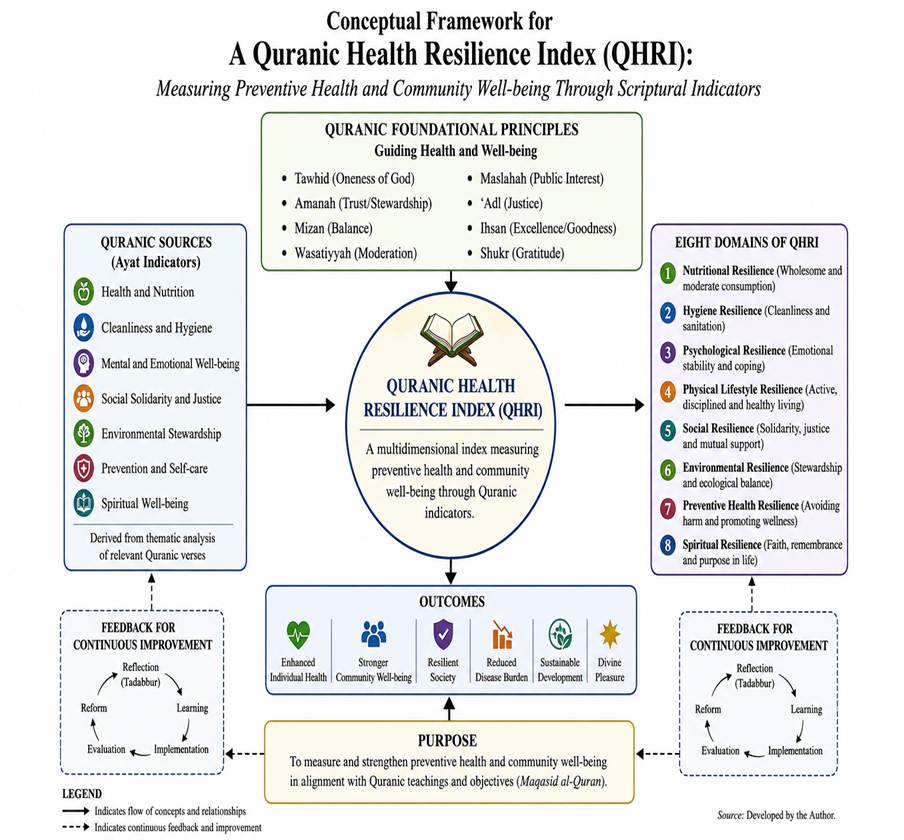
Figure 1. Conceptual framework of the Quranic Health Resilience Index (QHRI)
Note. The framework illustrates how Quranic foundational principles inform health-related scriptural indicators, which are organised into eight resilience domains that collectively form the Quranic Health Resilience Index (QHRI). The model proposes that these domains contribute to enhanced individual and community well-being through a continuous process of reflection, implementation, evaluation, and improvement. Source: Developed by the author.
The conceptual figure presents a structured framework for the Quranic Health Resilience Index (QHRI), illustrating how Quranic principles, thematic indicators, and multidimensional health domains interact to produce a comprehensive model for preventive health and community well-being.
At the centre of the diagram lies the Quranic Health Resilience Index (QHRI), which functions as the core integrative construct. It is defined as a multidimensional index designed to measure preventive health and community well-being through Quran-based indicators. The central positioning of the QHRI highlights its role as an outcome of multiple interconnected layers rather than a standalone concept. It represents the synthesis of scriptural teachings into a measurable, analytical structure for assessing resilience in health systems and communities.
On the left side of the figure, Quranic Sources (Ayat Indicators) are presented as the foundational data layer. These include key thematic areas such as health and nutrition, cleanliness and hygiene, mental and emotional well-being, social solidarity and justice, environmental stewardship, prevention and self-care, and spiritual well-being. These indicators are derived through systematic thematic analysis of Quranic verses. This component represents the empirical-textual foundation of the framework, ensuring that all dimensions of the index are grounded in scriptural evidence rather than abstract assumptions.
On the right side, the figure presents the Eight Domains of QHRI, which operationalise the Quranic indicators into measurable constructs. These include nutritional resilience, hygiene resilience, psychological resilience, physical lifestyle resilience, social resilience, environmental resilience, preventive health resilience, and spiritual resilience. Each domain reflects a distinct but interconnected aspect of health. For example, nutritional resilience emphasises balanced and wholesome consumption, while psychological resilience focuses on emotional stability and coping capacity. Together, these domains translate Quranic guidance into structured health indicators that can be applied in public health evaluation.
At the top of the framework, the diagram introduces Quranic Foundational Principles, such as Tawhid (oneness of God), Amanah (trust and stewardship), Mizan (balance), Wasatiyyah (moderation), Maslahah (public interest), ‘Adl (justice), Ihsan (excellence), and Shukr (gratitude). These principles function as the ethical and philosophical backbone of the entire model. They provide normative direction and ensure that health resilience is not only biological or social but also moral and spiritual in nature.
At the bottom of the diagram, the Outcomes section illustrates the expected impact of applying the QHRI framework. These outcomes include enhanced individual health, stronger community well-being, resilient societies, reduced disease burden, sustainable development, and overall ethical flourishing. This demonstrates that the framework is outcome-oriented, linking Quranic guidance to tangible public health and societal benefits.
Finally, the figure includes feedback loops for continuous improvement, represented by iterative processes such as reflection (Tadabbur), learning, implementation, evaluation, and reform. These loops indicate that the QHRI is not a static model but a dynamic system that evolves through application and reassessment. This cyclical structure ensures adaptability, continuous refinement, and practical relevance in real-world contexts.
Overall, the conceptual figure integrates scriptural foundations, thematic indicators, operational domains, and outcome-based evaluation into a unified system. It visually demonstrates how Quranic teachings can be systematically transformed into a structured public health resilience index, bridging the gap between
4. Methodology
This study employs a qualitative research methodology grounded in systematic analysis of Quranic verses related to health, well-being, resilience, and preventive behaviour. Because the objective is to construct a conceptual framework derived directly from scriptural teachings, qualitative thematic analysis was considered the most appropriate methodological approach. The methodology focuses on identifying, classifying, and interpreting relevant Quranic themes that contribute to individual and community health resilience. Through a structured process of textual examination, coding, categorisation, and thematic development, the study seeks to transform scriptural concepts into an organised analytical framework. This section outlines the research design, data sources, sampling procedures, thematic analysis process, and methodological considerations used in the development of the Quranic Health Resilience Index.
4.1 Research Design
This study employs a qualitative research design based on Quranic textual analysis. The objective is not to test biomedical hypotheses but to systematically identify, analyse, and classify health-related concepts embedded within the Quran and subsequently develop a conceptual framework for measuring preventive health and community well-being.
Qualitative content analysis was selected because it enables the systematic examination of textual data and facilitates the identification of recurring themes, concepts, and patterns (Creswell & Poth, 2018). Since the Quran serves as the primary source of data, qualitative thematic analysis is particularly appropriate for exploring health-related teachings and constructing a theory-based resilience index.
4.2 Data Source
The sole primary source of data for this study is the Quran. All health-related concepts, themes, indicators, and theoretical dimensions were derived directly from Quranic verses.
The study examines verses associated with:
- Preservation of life
- Nutrition and food consumption
- Hygiene and cleanliness
- Psychological well-being
- Social cooperation
- Environmental stewardship
- Preventive behavior
- Spiritual well-being
The Quran was selected because it represents the foundational source of Islamic guidance and contains numerous teachings relevant to human health and community welfare.
4.3 Quran-Based Sampling Strategy
A purposive sampling strategy was employed to identify relevant verses. Purposive sampling is appropriate when researchers seek specific information relevant to a research objective (Patton, 2015). The selection process involved:
- Identification of Quranic verses directly related to health and well-being.
- Identification of verses indirectly associated with resilience and prevention.
- Classification of verses into thematic categories.
- Cross-comparison of themes to identify recurring concepts.
This approach ensured comprehensive coverage of Quranic teachings relevant to preventive health and resilience.
4.4 Data Collection Procedure
Data collection involved systematic reading and examination of the entire Quran. Relevant verses were extracted and organised into thematic categories. Each selected verse was documented according to:
- Chapter number
- Verse number
- Primary theme
- Secondary theme
- Potential health implications
- Relevance to resilience
The resulting dataset provided the foundation for thematic coding and framework development.
4.5 Thematic Analysis
The study employed thematic analysis to identify recurring health-related concepts within the Quran. The procedure followed six analytical stages adapted from qualitative thematic analysis methodology (Braun & Clarke, 2006):
- Familiarisation with the Quranic text.
- Identification of relevant verses.
- Initial coding of health-related concepts.
- Grouping of codes into broader themes.
- Refinement of thematic categories.
- Development of resilience domains and indicators.
Thematic analysis enabled the transformation of individual verses into broader conceptual categories suitable for framework construction.
4.6 Development of the Quranic Health Resilience Index
Following thematic analysis, the identified themes were transformed into measurable resilience domains. The index development process involved:
- Identifying recurring Quranic health principles.
- Grouping related principles into domains.
- Establishing conceptual indicators for each domain.
- Integrating all domains into a unified resilience framework.
This process resulted in eight major dimensions:
- Nutritional Resilience
- Hygiene Resilience
- Psychological Resilience
- Physical Lifestyle Resilience
- Social Resilience
- Environmental Resilience
- Preventive Health Resilience
- Spiritual Resilience
Together, these dimensions form the proposed Quranic Health Resilience Index (QHRI).
4.7 Trustworthiness and Validity
Several procedures were adopted to enhance trustworthiness.
First, all findings were derived directly from Quranic verses rather than secondary interpretations. Second, thematic categories were developed through repeated examination of relevant verses. Third, multiple verses supporting each theme were compared to ensure conceptual consistency.
This process enhanced credibility, dependability, and conceptual validity within the qualitative research framework (Lincoln & Guba, 1985).
4.8 Ethical Considerations
The study relied exclusively on textual analysis of a publicly available religious scripture and therefore did not involve human participants, personal data, or experimental procedures. Respect for the integrity of the Quranic text was maintained throughout the research process. All interpretations were grounded in the textual content of the Quran and focused on identifying health-related principles relevant to preventive health and community well-being.
5. Findings and Analysis
The thematic analysis of Quranic verses revealed a rich and multidimensional framework of health-related teachings that collectively contribute to human resilience and well-being. The findings indicate that the Quran consistently promotes preventive approaches to health through guidance on nutrition, hygiene, psychological stability, social responsibility, environmental stewardship, and spiritual development. Rather than treating these dimensions as separate domains, the Quran integrates them into a comprehensive system of balanced living and sustainable well-being. This section presents the major themes that emerged from the analysis and explains how they were organised into the eight domains of the Quranic Health Resilience Index (QHRI). Each domain is examined in relation to its contribution to preventive health and community resilience.
5.1 Overview of Findings
The thematic analysis of Quranic verses revealed that health is conceptualised within the Quran as a multidimensional phenomenon encompassing physical, psychological, social, environmental, and spiritual dimensions. Unlike modern biomedical approaches that primarily focus on pathology and treatment, the Quran presents a preventive and resilience-oriented paradigm in which human well-being emerges through the maintenance of balance, responsibility, moderation, and ethical conduct.
The analysis identified eight major domains that collectively form the Quranic Health Resilience Index (QHRI):
- Nutritional Resilience
- Hygiene Resilience
- Psychological Resilience
- Physical Lifestyle Resilience
- Social Resilience
- Environmental Resilience
- Preventive Health Resilience
- Spiritual Resilience
These domains are interconnected and mutually reinforcing. Together, they establish a comprehensive framework through which individual and community well-being can be assessed and strengthened.
5.2 Nutritional Resilience
One of the most prominent health-related themes identified in the Quran concerns nutrition and dietary behaviour. Multiple verses instruct individuals to consume wholesome food, appreciate natural provisions, and avoid excessive consumption (Quran 2:168; 7:31; 16:114).
The thematic analysis indicates that the Quran does not merely address food consumption as a biological necessity. Rather, nutrition is framed as a component of responsible living and preventive health maintenance. The repeated emphasis on wholesome consumption suggests that food quality, dietary balance, and nutritional responsibility are important determinants of health resilience.
The instruction to avoid excess (Quran 7:31) is particularly significant from a contemporary public health perspective. Excessive consumption is associated with obesity, diabetes, cardiovascular disease, metabolic disorders, and other chronic health conditions (WHO, 2023). The Quranic emphasis on moderation, therefore, functions as a preventive mechanism against lifestyle-related diseases.
Furthermore, the Quran repeatedly references naturally occurring foods such as fruits, grains, olives, dates, milk, and honey (Quran 16:66–69; 23:19–21). These references collectively promote a dietary orientation centred on natural and nutritious food sources rather than excessive indulgence or wasteful consumption.
Consequently, nutritional resilience emerged as a major domain within the QHRI framework, reflecting the Quranic view that healthy dietary behaviour contributes significantly to long-term well-being.
5.3 Hygiene Resilience
A second major finding concerns the role of cleanliness and hygiene in maintaining health resilience. The Quran consistently associates cleanliness with personal responsibility, social well-being, and divine approval (Quran 2:222; 8:11).
The thematic analysis suggests that hygiene is conceptualised not merely as ritual purification but also as a practical strategy for disease prevention and public health protection. Cleanliness serves both individual and communal functions by reducing exposure to harmful conditions and supporting healthy living environments.
Modern epidemiological research consistently demonstrates the importance of hygiene practices in preventing infectious diseases and promoting public health (Gordis, 2014). The Quranic emphasis on cleanliness, therefore, aligns closely with contemporary preventive medicine.
The findings indicate that hygiene resilience encompasses multiple dimensions, including personal hygiene, environmental sanitation, access to clean water, and maintenance of healthy surroundings. These elements collectively contribute to disease prevention and community resilience.
5.4 Psychological Resilience
The analysis identified psychological resilience as one of the most extensively represented health-related themes within the Quran. Numerous verses address human responses to adversity, uncertainty, fear, grief, and hardship (Quran 2:153; 13:28; 94:5–6).
The Quran repeatedly encourages patience, perseverance, gratitude, hope, and trust as adaptive responses to challenging circumstances. These teachings collectively establish a framework for emotional regulation and psychological stability.
The findings suggest that the Quran conceptualises adversity not as an abnormal disruption but as a natural component of human existence. Consequently, resilience is developed through constructive engagement with life’s challenges rather than through avoidance of difficulties.
The verse stating that “with hardship comes ease” (Quran 94:5–6) illustrates a resilience-oriented worldview that promotes optimism and psychological endurance. Similarly, the assertion that hearts find tranquillity through remembrance of God (Quran 13:28) introduces a spiritual dimension to mental well-being.
The analysis indicates that psychological resilience in the Quran consists of several interconnected components:
- Emotional regulation
- Positive coping mechanisms
- Hope and optimism
- Gratitude
- Patience during adversity
- Meaning-centred adaptation
Collectively, these factors contribute to mental well-being and strengthen the capacity to cope with stress and uncertainty.
5.5 Physical Lifestyle Resilience
Although the Quran does not provide a detailed medical or exercise manual, the thematic analysis identified a strong emphasis on productive living, responsible behaviour, and avoidance of self-destructive practices.
Human beings are repeatedly encouraged to engage in purposeful activity, maintain discipline, and utilise their physical capacities responsibly (Quran 67:15). The Quran discourages behaviours that lead to self-harm and wasteful living (Quran 2:195).
These teachings suggest a broader lifestyle framework that supports physical health through responsible daily behaviour. Physical resilience, therefore, encompasses activity patterns, self-care practices, and behavioural choices that promote long-term well-being.
The findings indicate that physical lifestyle resilience operates as a bridge between nutritional resilience, psychological resilience, and preventive health behaviour.
5.6 Social Resilience
Social solidarity emerged as one of the most significant findings of the study. The Quran consistently emphasises cooperation, compassion, justice, mutual support, and charitable assistance (Quran 5:2; 9:71).
The analysis demonstrates that well-being is not portrayed as an exclusively individual phenomenon. Instead, the Quran presents health and welfare as collective responsibilities shared among community members.
Social resilience is strengthened through:
- Mutual assistance
- Social support networks
- Community cooperation
- Economic justice
- Protection of vulnerable populations
- Charitable engagement
These mechanisms enhance community capacity to respond to crises, reduce social inequalities, and support collective well-being.
The findings suggest that social cohesion functions as a protective factor that strengthens resilience at both individual and community levels.
5.7 Environmental Resilience
Environmental stewardship emerged as another major domain within the Quranic framework. The Quran repeatedly describes the natural world as a balanced system and warns against environmental corruption (Quran 7:56; 55:7–9).
The thematic analysis reveals that environmental responsibility is directly connected to human well-being. Natural resources are portrayed as essential provisions that sustain life and support human flourishing.
The findings suggest that environmental resilience includes:
- Protection of natural resources
- Sustainable resource management
- Ecological balance
- Prevention of environmental degradation
- Responsible consumption
This perspective aligns with contemporary sustainability frameworks that recognise environmental quality as a determinant of public health.
5.8 Preventive Health Resilience
One of the most significant findings concerns the preventive orientation of Quranic health teachings. Rather than focusing primarily on treatment after illness occurs, the Quran repeatedly encourages behaviours that prevent harm and promote well-being.
The principle of preserving life (Quran 5:32) serves as a foundational basis for preventive action. Numerous teachings related to nutrition, hygiene, moderation, environmental protection, and social responsibility collectively function as preventive health mechanisms.
The analysis demonstrates that prevention constitutes a central organising principle of the Quranic health paradigm.
5.9 Spiritual Resilience
The final major finding concerns spiritual resilience. The Quran consistently portrays spiritual well-being as a source of inner stability, meaning, purpose, and hope (Quran 13:28).
The analysis indicates that spirituality functions as an independent resilience domain while simultaneously influencing all other dimensions of health. Spiritual well-being strengthens psychological adaptation, ethical behaviour, social responsibility, and overall life satisfaction.
Consequently, spiritual resilience serves as the integrative dimension connecting the various components of the QHRI framework.
6. Discussion
The discussion section interprets the findings within broader academic debates concerning health resilience, preventive medicine, public health, and religion-based approaches to well-being. The results suggest that the Quran offers a comprehensive preventive health paradigm that aligns with many contemporary public health principles while also introducing unique spiritual and ethical dimensions. By integrating physical, psychological, social, environmental, and spiritual determinants of health, the proposed Quranic Health Resilience Index expands existing resilience frameworks and contributes a novel perspective to interdisciplinary scholarship. This section critically examines the theoretical significance of the findings, explores their implications for health promotion and community development, and evaluates the potential contribution of Quranic health principles to contemporary resilience research and public health practice.
6.1 Reinterpreting Health Through a Quranic Resilience Paradigm
The findings of this study suggest that the Quran offers a comprehensive and preventive understanding of health that differs significantly from conventional biomedical approaches. While modern medicine frequently focuses on disease diagnosis and treatment, the Quran emphasises the preservation and enhancement of well-being before illness emerges.
This preventive orientation aligns closely with contemporary public health priorities. Increasing healthcare costs, rising prevalence of chronic diseases, and global health crises have highlighted the limitations of treatment-centred healthcare systems (WHO, 2023). The Quranic framework contributes to this discussion by emphasising prevention, balance, responsibility, and resilience.
The proposed Quranic Health Resilience Index, therefore, represents not merely a religious model but a holistic public health framework grounded in scriptural principles.
6.2 Health as a Multidimensional System
A major contribution of the findings is the recognition that health is conceptualised in the Quran as a multidimensional system. Physical, psychological, social, environmental, and spiritual dimensions are not treated as isolated domains but as interconnected elements of a larger whole. This perspective closely resembles contemporary ecological and systems-based approaches to public health (Marmot et al., 2020). Health outcomes emerge from interactions among numerous factors rather than from single causes.
The Quranic framework advances this perspective by introducing spirituality as an additional determinant of resilience. Spiritual well-being provides meaning, ethical guidance, and emotional stability that influence behaviour across multiple domains. Consequently, the QHRI extends existing health resilience models by integrating spiritual factors into a broader systems perspective.
6.3 Moderation as the Central Mechanism of Resilience
One of the most important theoretical insights emerging from this study is the central role of moderation. The Quran repeatedly associates healthy living with balanced behaviour and avoidance of excess (Quran 7:31). The findings suggest that moderation functions as a universal resilience mechanism operating across multiple domains.
In nutrition, moderation prevents overconsumption and metabolic disorders. In social life, moderation reduces conflict and promotes cooperation. In environmental management, moderation supports sustainability. In psychological functioning, moderation contributes to emotional stability. Therefore, moderation can be understood as the underlying principle that links the various components of the QHRI framework.
6.4 The Integration of Mental and Spiritual Health
Contemporary mental health research increasingly recognises the importance of meaning, purpose, hope, and social connectedness (Seligman, 2011). The Quranic framework expands these concepts by incorporating spirituality as a fundamental determinant of psychological resilience.
The findings indicate that spiritual well-being enhances emotional regulation, optimism, and coping capacity. Unlike many secular mental health models, the Quran does not separate psychological health from spiritual development.
This integration has important implications for resilience research. It suggests that interventions addressing both psychological and spiritual dimensions may strengthen adaptive capacity more effectively than approaches focusing solely on emotional symptoms.
6.5 Social Capital and Community Resilience
The study also highlights the importance of social relationships in promoting health resilience. Cooperation, mutual support, compassion, and justice are consistently emphasised throughout the Quran. These findings correspond closely with contemporary theories of social capital, which identify social networks and trust as important determinants of health outcomes (Holt-Lunstad et al., 2010). Communities characterised by strong social cohesion are generally better equipped to withstand crises and recover from adversity. The Quranic framework reinforces these observations by presenting social solidarity as both an ethical obligation and a practical mechanism for enhancing community well-being.
6.6 Environmental Sustainability as a Health Determinant
A particularly significant contribution of the findings is the integration of environmental stewardship into the health resilience framework. Many traditional health models have treated environmental concerns as separate from health promotion. However, contemporary research increasingly recognises the profound impact of environmental conditions on physical and mental well-being. The Quran anticipates this perspective by linking environmental balance with human responsibility and collective welfare (Quran 55:7–9). The findings suggest that environmental sustainability should be regarded as a core component of health resilience rather than an external concern.
6.7 Theoretical Contributions of the Quranic Health Resilience Index
The proposed QHRI contributes to the literature in several ways.
- First, it introduces a scripturally grounded framework for understanding preventive health and resilience.
- Second, it integrates multiple health domains into a unified theoretical model.
- Third, it extends contemporary resilience theory by incorporating spiritual well-being as a measurable dimension.
- Fourth, it provides a conceptual basis for future empirical research exploring relationships among health behaviours, community well-being, and Quranic teachings.
The QHRI therefore represents a novel interdisciplinary contribution at the intersection of public health, resilience studies, and Quranic scholarship.
6.8 Implications for Future Research
Future research should operationalise the QHRI through measurable indicators and empirical testing. Survey instruments may be developed to assess resilience across the eight identified domains. Comparative studies could examine relationships between Quranic resilience indicators and established public health measures. Longitudinal investigations may also explore whether adherence to Quranically informed health behaviours predicts improved health outcomes over time. Such research would enable further validation and refinement of the proposed framework while contributing to broader discussions concerning religion, health, and resilience.
7. Conclusion
This study sought to develop a comprehensive framework for understanding preventive health and community well-being through the lens of Quranic teachings. Through qualitative thematic analysis of relevant Quranic verses, the research identified a multidimensional health paradigm that extends beyond conventional biomedical perspectives and incorporates physical, psychological, social, environmental, and spiritual determinants of well-being. The findings demonstrate that the Quran consistently promotes a preventive approach to health based on moderation, responsibility, balance, cooperation, cleanliness, environmental stewardship, and spiritual development.
A major contribution of this study is the development of the Quranic Health Resilience Index (QHRI), a conceptual model consisting of eight interconnected domains: nutritional resilience, hygiene resilience, psychological resilience, physical lifestyle resilience, social resilience, environmental resilience, preventive health resilience, and spiritual resilience. These domains collectively provide a holistic framework for assessing individual and community capacity to maintain health, adapt to challenges, and promote long-term well-being.
The analysis further revealed that the Quran conceptualises health as a dynamic and integrated system rather than a collection of isolated biological conditions. Health resilience emerges through the interaction of healthy dietary practices, hygienic behaviour, emotional stability, social support, environmental responsibility, preventive action, and spiritual well-being. This perspective closely aligns with contemporary public health approaches that emphasise social determinants of health, sustainability, mental well-being, and health promotion. At the same time, the Quranic framework expands existing models by incorporating spirituality as a fundamental determinant of resilience and human flourishing.
The study also highlights the importance of prevention as a central organising principle within Quranic teachings. Rather than focusing primarily on treatment after illness occurs, the Quran encourages behaviours that reduce risk, strengthen adaptive capacity, and protect both individual and collective welfare. Such an approach has significant implications for contemporary healthcare systems facing increasing burdens from chronic disease, mental health disorders, and environmental challenges.
Despite its contributions, the study remains conceptual and exploratory in nature. The proposed QHRI has not yet been empirically tested. Future research should operationalise the identified domains into measurable indicators, develop survey instruments, and conduct quantitative validation studies across diverse populations. Comparative studies may also explore relationships between Quranic resilience indicators and established public health measures.
In conclusion, the Quranic Health Resilience Index provides a novel interdisciplinary framework that bridges Quranic scholarship and public health research. By integrating preventive health principles with broader dimensions of human well-being, the framework offers valuable insights for health promotion, resilience-building, community development, and future empirical investigation.
References
Ali, M. M. (2015). The Holy Qur’an and human nutrition: A conceptual analysis. Islamic Research Institute Press.
Braun, V., & Clarke, V. (2006). Using thematic analysis in psychology. Qualitative Research in Psychology, 3(2), 77–101. https://doi.org/10.1191/1478088706qp063oa
Creswell, J. W., & Poth, C. N. (2018). Qualitative inquiry and research design: Choosing among five approaches (4th ed.). Sage.
Gordis, L. (2014). Epidemiology (5th ed.). Elsevier.
Holt-Lunstad, J., Smith, T. B., & Layton, J. B. (2010). Social relationships and mortality risk: A meta-analytic review. PLoS Medicine, 7(7), Article e1000316. https://doi.org/10.1371/journal.pmed.1000316
Koenig, H. G. (2012). Religion, spirituality, and health: The research and clinical implications. ISRN Psychiatry, 2012, 278730. https://doi.org/10.5402/2012/278730
Kruk, M. E., Myers, M., Varpilah, S. T., & Dahn, B. T. (2015). What is a resilient health system? Lessons from Ebola. The Lancet, 385(9980), 1910–1912. https://doi.org/10.1016/S0140-6736(15)60755-3
Levin, J. (2020). Religion and health: Is there an association, is it valid, and is it causal? Social Science & Medicine, 246, 112801. https://doi.org/10.1016/j.socscimed.2019.112801
Lincoln, Y. S., & Guba, E. G. (1985). Naturalistic inquiry. Sage.
Marmot, M., Allen, J., Boyce, T., Goldblatt, P., & Morrison, J. (2020). Health equity in England: The Marmot review 10 years on. Institute of Health Equity.
Nasr, S. H. (2010). Islam and the environmental crisis. ABC International Group.
Pargament, K. I. (2013). Spiritually integrated psychotherapy: Understanding and addressing the sacred. Guilford Press.
Patton, M. Q. (2015). Qualitative research and evaluation methods (4th ed.). Sage.
Rahman, F. (2009). Major themes of the Qur’an (2nd ed.). University of Chicago Press.
Rothman, A., & Coyle, A. (2018). Toward a framework for Islamic psychology and psychotherapy. Journal of Religion and Health, 57(5), 1731–1744. https://doi.org/10.1007/s10943-018-0692-1
Seligman, M. E. P. (2011). Flourish: A visionary new understanding of happiness and well-being. Free Press.
Southwick, S. M., Bonanno, G. A., Masten, A. S., Panter‐Brick, C., & Yehuda, R. (2014). Resilience definitions, theory, and challenges: Interdisciplinary perspectives. European Journal of Psychotraumatology, 5(1), 25338. https://doi.org/10.3402/ejpt.v5.25338
Ungar, M. (2018). Systemic resilience: Principles and processes for a science of change in contexts of adversity. Ecology and Society, 23(4), 34. https://doi.org/10.5751/ES-10385-230434
World Health Organisation. (1986). Ottawa charter for health promotion. World Health Organisation.
World Health Organisation. (2023). World health statistics 2023: Monitoring health for the SDGs. World Health Organisation.