Journal Home
OPEN ACCESS
The Significance of Pattern Making Education in Bangladesh’s RMG Sector
| Rehana Sultana ORCID: https://orcid.org/0009-0004-1169-3225 Associate Professor Department of Fashion Design & Technology Shanto-Mariam University of Creative Technology Dhaka, Bangladesh |
Corresponding author: Rehana Sultana: rehanasultana79@gmail.com |
J. curric. dev. stud. 2026, 5(3); https://doi.org/10.64907/xkmf.v5i3.jocds.6
Submission received: 30 May 2026 / Revised: 30 June 2026 / Accepted: 7 July 2026 / Published: 12 July 2026
Download (PDF)
Abstract
The Ready-Made Garments (RMG) sector constitutes a fundamental component of Bangladesh’s economic framework, playing a pivotal role in both employment generation and export revenue. Notwithstanding its international achievements, the industry encounters several challenges, especially in sustaining elevated production standards and competitive positioning. This research investigates the critical importance of pattern-making education within the RMG sector, elucidating its influence on production efficiency, garment quality, and the overarching sustainability of the industry. Employing a mixed-methods framework that encompasses surveys, interviews, and document analysis, the study delineates deficiencies within the existing training programs, particularly the dependence on antiquated curricula and restricted access to contemporary technologies. The results highlight the pressing necessity for the modernisation and comprehensiveness of pattern-making education to rectify these inadequacies. The research culminates with strategic recommendations aimed at revitalising training programs, integrating advanced methodologies, and promoting industry partnerships to ensure that Bangladesh’s RMG sector sustains its position as a preeminent entity in global garment manufacturing.
Keywords: Pattern Making Education, Ready-Made Garments (RMG), Bangladesh, Garment Production Efficiency, Training Programs, Textile Industry, Curriculum Development, Global Competitiveness, Workforce Upskilling, Digital Pattern Making
1. Introduction
The Ready-Made Garments (RMG) sector serves as a pivotal component of Bangladesh’s economy, making substantial contributions to the nation’s Gross Domestic Product (GDP) and employment rates (Khondkar & Honey, 2022a). Over the years, Bangladesh has ascended to the status of one of the preeminent garment exporters on a global scale, catering to some of the most distinguished fashion brands worldwide. Notwithstanding this remarkable success, the industry is confronted with challenges that jeopardise its long-term sustainability and expansion. A notable challenge is the significant deficiency in skilled labour, particularly within the realm of pattern making, which constitutes a crucial element of garment production (Shajahan et al., 2024).
Pattern making constitutes the technical methodology of converting a fashion design into a detailed blueprint for garment creation. This process entails the development of a pattern that acts as a template for fabric cutting, thereby ensuring that the final product adheres to proper fit and design specifications (Maurer et al., 2024). The significance of this process extends beyond the maintenance of garment quality; it also plays a vital role in optimising fabric utilisation, minimising waste, and enhancing overall production efficiency. In the fiercely competitive global marketplace, wherein precision and efficiency are paramount to success, the critical role of proficient pattern makers cannot be overstated (Chowdhury & Shajahan, 2021).
In Bangladesh, although the RMG sector has experienced substantial growth, the emphasis on pattern-making education has frequently been inadequately addressed (Honey, 2019a). A considerable number of workers within the industry receive on-the-job training, resulting in disparate levels of competency in pattern making (Ara et al., 2019). This inconsistency may lead to production delays, escalated costs, and, in some instances, the rejection of entire shipments due to quality discrepancies (Saha et al., 2021). To maintain its status as a global frontrunner in garment manufacturing, Bangladesh must prioritise investments in the enhancement of its workforce’s technical skills, particularly about pattern-making education.
Furthermore, as global fashion trends undergo rapid evolution, the demand for increasingly complex and innovative garment designs continues to rise. This trend further emphasises the necessity for a workforce that is not only proficient in fundamental pattern making but also skilled in advanced techniques and technologies (Sarkar et al., 2020). The integration of comprehensive pattern-making education into the training curricula for workers within the RMG sector will not only elevate the quality and efficiency of production but will also empower workers by equipping them with the requisite skills to adapt to the industry’s shifting demands (Huda, 2024).
1.1 Objectives of this Study
The primary objectives of this study are to identify the significance of pattern-making education within Bangladesh’s RMG sector; besides these, some specific objectives are examined:
- To critically analyse the present condition of education and training about pattern making within the Ready-Made Garment (RMG) sector in Bangladesh.
- To evaluate the influence of pattern-making competencies on production efficacy, garment quality, and overall competitiveness within the international marketplace.
- To elucidate the deficiencies and obstacles present in the current pattern-making training programs in Bangladesh.
- To propose strategic recommendations for enhancing pattern-making education and training to align with the evolving demands of the RMG sector.
- To investigate the prospective advantages of integrating advanced pattern-making methodologies and technologies into the RMG industry.
1.2 Research Questions
This study aims to answer the following questions:
- What is the present state of education and training in pattern making among the workforce engaged in Bangladesh’s Ready-Made Garment (RMG) sector?
- In what ways does expertise in pattern making influence the calibre and productivity of garment manufacturing within the RMG sector?
- What are the principal obstacles and deficiencies present in the current pattern-making training initiatives in Bangladesh?
- In what manner can the RMG sector in Bangladesh bolster its competitive edge through the enhancement of pattern-making education?
- What are the prospective benefits associated with the incorporation of advanced pattern-making methodologies and technologies into the prevailing training programs?
2. Literature Review
The Ready-Made Garments (RMG) sector in Bangladesh has attracted significant scholarly and industrial scrutiny due to its essential contribution to the nation’s economic advancement. As one of the preeminent garment exporters globally, the RMG industry in Bangladesh serves as a fundamental engine for employment generation and economic expansion. Nonetheless, discussions surrounding the sustainability and ongoing competitiveness of this industry frequently highlight a variety of challenges, particularly the critical demand for skilled labour (Raihan & Bourguignon, 2020). Within this discourse, the importance of pattern-making education has surfaced as a vital focal point. This literature review aims to investigate the existing body of research about the significance of pattern making in garment production, the prevailing conditions of pattern making education in Bangladesh, and the ramifications for the RMG sector (Hassan et al., 2020).
Pattern making constitutes a vital procedure within the garment production continuum, acting as the cornerstone for the creation of garments that are both well-fitted and visually appealing. As articulated by Hassan et al. (2020) pattern making entails the conversion of a design into a two-dimensional template that serves as a basis for cutting fabric and assembling a garment. The precision and accuracy inherent in patterns significantly affect the fit, style, and overall calibre of the end product. Inadequate pattern making can result in considerable complications, including poorly fitting garments, excessive fabric waste, and production inefficiencies (Au-Yong-oliveira & Sousa, 2022).
Scholarship by Zaman & Jenkins (2024) has underscored the technical intricacies associated with pattern making, emphasising that it necessitates a profound comprehension of garment construction, fabric characteristics, and design principles. As the fashion landscape evolves in complexity, the demand for proficient pattern makers capable of managing intricate designs and adapting to emergent technologies is intensifying. This necessity is particularly acute within the RMG sector, where mass production mandates a high degree of consistency and precision to comply with international benchmarks (Kortam & Mahrous, 2020).
Notwithstanding its paramount importance, pattern-making education in Bangladesh has historically been insufficiently prioritised. The RMG industry in Bangladesh has predominantly depended on low-cost labour, with a notable portion of the workforce receiving informal on-the-job training as opposed to formal educational experiences (Battle et al., 2019). As articulated by Islam et al. (2022), this paradigm has resulted in a workforce exhibiting disparate skill levels, especially in specialised domains such as pattern making. Although vocational training institutes and fashion academies in Bangladesh do provide courses in pattern making, these educational offerings are frequently constrained in both scope and accessibility.
Research conducted by Razzaque et al. (2020) revealed that a substantial number of pattern makers in Bangladesh are self-educated or have acquired their skills through apprenticeship, culminating in inconsistencies in their proficiency levels. This absence of formal education and standardised training initiatives has been recognised as a significant impediment to enhancing the quality and efficiency of garment production within the nation (Li et al., 2023). Moreover, the limited access to advanced training in contemporary pattern-making methodologies and technologies places Bangladeshi workers at a competitive disadvantage in the global marketplace, where such competencies are increasingly sought after (Hassan et al., 2020).
The existing academic discourse elucidates a multitude of challenges and deficiencies within the domain of pattern-making education in Bangladesh. A primary concern pertains to the insufficient accessibility of contemporary educational materials and technological advancements. As articulated by Nazrul & Rahman (2021) numerous training initiatives continue to depend on antiquated methodologies and fail to integrate the latest innovations in pattern-making software and machinery. This dissonance between educational offerings and industrial necessities has engendered a disparity in the competencies of the labour force relative to the exigencies of contemporary garment manufacturing (Khondkar & Honey, 2022). An additional obstacle is the societal perception of vocational education within Bangladesh. Pattern making and other technical skills are frequently regarded as less esteemed in comparison to traditional academic pathways, resulting in diminished enrollment in such vocational programs. Consequently, the ready-made garment (RMG) sector encounters difficulties in attracting and retaining proficient pattern makers, adversely affecting overall productivity and quality within the industry (Strümpell & Ashraf, 2023).
The influence of pattern-making competencies on the operational efficacy of the RMG sector has been thoroughly investigated. Empirical studies have demonstrated that adept pattern makers play a pivotal role in diminishing fabric waste, enhancing garment fit, and augmenting production efficiency. For example, Rahuman et al. (2022) illustrated that manufacturing facilities employing well-trained pattern makers reported diminished rejection rates and elevated satisfaction levels among international clientele. These findings are essential for sustaining Bangladesh’s competitive advantage within the global garment marketplace, where quality and cost-effectiveness serve as paramount determinants of success (Rahman & Chowdhury, 2020).
Furthermore, as the international fashion sector increasingly emphasises sustainability, the significance of pattern making in curtailing waste and optimising resource utilisation has gained heightened recognition. Scholars such as Swazan & Das (2022) contend that innovative pattern-making methodologies, including zero-waste pattern cutting, can substantially aid the RMG sector in achieving sustainability objectives. Nevertheless, the effective implementation of these methodologies necessitates a workforce proficient in both traditional and contemporary pattern-making techniques (Ahmad, 2021).
In light of the challenges and prospects delineated in the literature, there exists a burgeoning consensus regarding the imperative to enhance pattern-making education in Bangladesh. Academics such as (Akter et al., 2024) champion a more systematic framework for vocational training that amalgamates both foundational and advanced pattern-making methodologies. This structured approach would not only rectify existing skill deficiencies but also adequately prepare the labour force for forthcoming industry trends, such as the escalating adoption of digital technologies in garment design and manufacturing.
Moreover, the scholarly literature posits that collaboration between industrial stakeholders and educational institutions is vital for the development of pertinent and contemporary training programs. By synchronizing curricula with industry requirements and affording students practical experience, such partnerships can ensure that graduates are adequately prepared to contribute to the growth of the RMG sector (Akter et al., 2024).
The literature currently acknowledges pattern making as a key element in garment manufacture, yet there are a number of critical research gaps. Most previous research has focused on pattern making from the perspective of garment fit, production accuracy, fabric consumption, technical efficiency, and workforce skill development. Other studies have pointed out the overall limits of vocational education and technical training in Bangladesh’s RMG industry. However, pattern-creating education has received little scholarly attention as a separate subject of inquiry in the context of Bangladesh. In particular, the available research has failed to provide a comprehensive description of the content, delivery, technology resources, instructor competency, accessibility, and industry relevance of pattern-making education on the professional preparation of pattern makers. There is also a lack of empirical evidence on the extent to which current educational and training programmes meet the practical needs of garment factories, international buyers, digital pattern technologies, sustainability standards and modern apparel production systems. Thus, there is a huge gap in knowledge between the acknowledged relevance of pattern creation and the efficiency of the education system responsible for developing competent pattern-making specialists.
Further, a substantial part of the existing literature on workforce development in the RMG industry has been framed in general terms, failing to differentiate pattern making from other technical skills associated with garments. Such broad evaluations may ignore particular expertise needed in areas such as garment manufacturing, anthropometric measurement, grading, marker planning, fabric behavior, fit evaluation, computer-aided pattern creation and zero-waste pattern development. Moreover, the opinions of significant stakeholders such as pattern makers, educators, students, factory managers, merchandisers and production specialists are still underrepresented in the available literature.
The novelty of the current study is a concentrated study on pattern-making education and its strategic importance in the development of the RMG sector of Bangladesh. Pattern making is considered in this study not as a manufacturing activity, but as an educational, technological, industrial and workforce development concern. It attempts to relate the quality of pattern-making education to wider industry results, such as production efficiency, garment quality, fabric waste reduction, product development capacity, workforce employability, sustainability, and international competitiveness. Furthermore, the study adds to the existing pool of knowledge by assessing the possible gap between the existing pattern-creating curricula and the present-day competency requirements of the RMG business.
Emphasis is placed on the increasing relevance of digital pattern-making software, automated garment production, improved grading and marker creating systems, eco-friendly pattern-cutting approaches, and practical learning based on industry. This technique helps to provide a more updated knowledge of the abilities required by pattern creators in an increasingly technological and quality-sensitive global garment market. From a practical standpoint, the results of this study may assist educational institutions, vocational training providers, garment manufacturers, industry associations and policymakers to develop more standardised, accessible, technologically advanced and industry-responsive pattern-making programs. The study may also provide support for curriculum reform, teacher development, institutional collaboration, internship opportunities, certification standards, and investment in advanced pattern-making laboratories and software.
Thus, the major contribution of this research is the endeavour to bridge the gap between pattern-making education and industry performance in Bangladesh. The study aims to identify existing educational deficiencies and their impact on the production of garments, so that a clearer understanding of how specialised pattern-making education can strengthen the capability of the workforce and contribute to the long-term competitiveness and sustainability of the RMG sector can be established.
The research studied demonstrates that pattern making is crucial to garment quality, production efficiency, resource optimisation, and customer happiness. But the educational strategies for developing pattern-making competencies have not been investigated sufficiently in Bangladesh. Closing this gap is important as the future competitiveness of the country’s RMG industry will increasingly depend not just on cheap labour, but also on technical know-how, technological adaptability, product innovation, sustainability and value-added manufacturing. Therefore, this study provides a detailed analysis of the importance of pattern-creating education and its possible function to help the transformation of Bangladesh’s RMG business.
3. Methods and Methodology
This study employed a cross-sectional convergent mixed-methods research design to investigate the significance of pattern-making education in Bangladesh’s Ready-Made Garments (RMG) sector by integrating quantitative survey data, qualitative interviews, and document analysis. The study was conducted in major garment-producing areas, including Dhaka, Gazipur, Narayanganj, Savar, and Chattogram. A purposive maximum-variation sampling technique was used to recruit 135 participants with direct knowledge and experience of pattern making, garment production, vocational education, or skills-development policy. The sample comprised 100 pattern makers, 20 garment factory managers, 10 vocational training instructors, and 5 policymakers. Pattern makers were required to have at least two years of relevant professional experience, while factory managers and instructors were required to have at least three years of experience in their respective fields.
A total of 140 pattern makers and managers were invited to complete the survey, of whom 126 responded; six incomplete questionnaires were excluded, resulting in 120 usable responses and a valid response rate of 85.7%. Quantitative data were collected using a 42-item structured questionnaire covering participants’ demographic and professional characteristics, pattern making education and training, technical competencies, production performance, training challenges, and recommendations. Closed-ended items were measured using a five-point Likert scale ranging from 1, “strongly disagree,” to 5, “strongly agree,” while three open-ended questions enabled participants to provide additional comments. The questionnaire was prepared in English, translated into Bangla, and back-translated to ensure conceptual consistency. Its content and face validity were assessed by five experts in apparel manufacturing, pattern making, vocational education, and research methodology, producing an average scale-level content validity index of 0.89.
The instrument was pilot tested with 20 participants who were excluded from the final sample, and minor revisions were made to improve clarity and remove overlapping items. Cronbach’s alpha coefficients ranged from .79 to .86 for the individual scales, while the overall questionnaire achieved a coefficient of .88, indicating acceptable internal consistency. The survey was administered electronically through Google Forms over eight weeks, and two follow-up reminders were sent to improve participation. Semi-structured interviews lasting approximately 40–55 minutes were conducted with the 10 instructors and 5 policymakers to explore curriculum relevance, teaching quality, technological resources, practical training, industry–institution collaboration, policy support, and strategies for improvement. With participants’ consent, the interviews were audio-recorded, transcribed verbatim, translated where necessary, and checked for accuracy. In addition, 18 curriculum documents, competency standards, policy papers, training manuals, and industry reports published or formally used between 2015 and 2024 were reviewed using a document-analysis matrix.
Quantitative data were analysed using IBM SPSS Statistics Version 27. Frequencies, percentages, means, and standard deviations were used for descriptive analysis, while independent-samples t-tests, one-way analysis of variance, Pearson or Spearman correlation, and multiple linear regression were used to examine group differences, relationships among variables, and predictors of production performance. The assumptions of normality, linearity, homogeneity of variance, independence, and multicollinearity were assessed before inferential analysis. All statistical tests were two-tailed, with significance established at p < .05, and effect sizes and 95% confidence intervals were reported where appropriate.
Qualitative data were analysed thematically using NVivo 12 through data familiarisation, initial coding, theme development, review, definition, and interpretation. Two researchers independently coded 25% of the transcripts, producing a Cohen’s kappa coefficient of .82, and preliminary findings were confirmed through member checking with five interview participants. The survey, interview, and documentary findings were integrated using a convergence matrix to identify areas of agreement, complementarity, and inconsistency. All participants provided informed consent, participation was voluntary, and personal and institutional identities were anonymised. Data were stored securely in password-protected files and were accessible only to the research team. Although purposive sampling and self-reported data may limit generalizability and introduce response bias, the use of multiple stakeholder groups, validated instruments, systematic statistical and thematic procedures, and methodological triangulation strengthened the credibility and comprehensiveness of the study.
The methods and methodology outlined in this study were designed to provide a comprehensive understanding of the current state and significance of pattern-making education in Bangladesh’s RMG sector. By integrating quantitative and qualitative data, the research aims to offer actionable insights that can inform policy and practice in this critical area of the garment industry.
4. Results and Discussion
The survey was conducted among 100 pattern makers and 20 factory managers across various garment factories in Bangladesh. The results provide insights into the current state of pattern-making skills, the impact on production efficiency, and the gaps in training programs.
4.1 Pattern Making Skills
Proficiency Levels: The survey revealed that only 35% of the pattern makers rated their skills as highly proficient, while 45% considered themselves moderately proficient, and the remaining 20% rated their skills as basic.
Training Background: Approximately 60% of the pattern makers reported that their training was primarily on-the-job, with only 20% having received formal education in pattern making from vocational institutes. The remaining 20% were self-taught or learned through informal apprenticeships.
Use of Technology: Only 30% of the pattern makers had experience with advanced pattern-making software, such as CAD (Computer-Aided Design), while the majority (70%) relied on traditional manual methods.
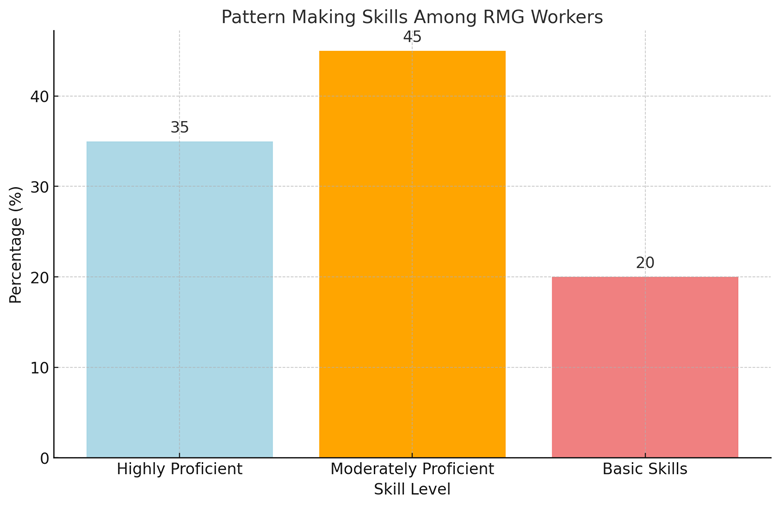
Figure 1: Pattern Making Skills among RMG workers
Quantitative data were obtained from 100 pattern makers and 20 factory managers employed in garment factories in Bangladesh. Among the pattern makers, 35% described themselves as highly proficient, 45% as moderately proficient, and 20% as possessing only basic pattern-making skills. Regarding training background, 60% had acquired their skills mainly through workplace training, 20% had completed formal pattern-making education at a vocational or technical institution, and the remaining 20% were self-taught or had learned through informal apprenticeships. Only 30% of the pattern makers had practical experience using computer-aided design and digital pattern-making software, whereas 70% continued to rely primarily on manual methods.
Table 1. Pattern makers’ proficiency, training background, and technology use
| Variable | Category | Frequency | Percentage |
| Proficiency level | Highly proficient | 35 | 35% |
| Moderately proficient | 45 | 45% | |
| Basic proficiency | 20 | 20% | |
| Training background | On-the-job training | 60 | 60% |
| Formal vocational education | 20 | 20% | |
| Informal or self-directed learning | 20 | 20% | |
| Pattern-making method | CAD or digital pattern making | 30 | 30% |
| Primarily manual methods | 70 | 70% |
A one-way analysis of variance was conducted to determine whether pattern-making competency differed according to training background. A statistically significant difference was identified among pattern makers with formal education, workplace training, and informal or self-directed learning, F(2, 97) = 7.84, p = .001, η² = .14. The effect size indicated that approximately 14% of the variation in competency scores was associated with training background, representing a moderate-to-large effect.
Pattern makers with formal vocational education recorded the highest mean competency score (M = 4.02, SD = 0.56), followed by those with on-the-job training (M = 3.47, SD = 0.65) and informal or self-directed learners (M = 3.18, SD = 0.71). Tukey post-hoc comparisons showed that formally educated pattern makers achieved significantly higher scores than informally trained pattern makers (p < .001). The difference between formally educated and workplace-trained respondents was also significant (p = .018), whereas the difference between workplace-trained and informal learners was not statistically significant (p = .176).
Pattern makers with CAD experience also demonstrated higher overall competency scores (M = 3.91, SD = 0.58) than those relying mainly on manual techniques (M = 3.32, SD = 0.67). An independent-samples t-test confirmed that this difference was statistically significant, t(98) = 4.21, p < .001, Cohen’s d = 0.94. The large effect size suggests that digital pattern-making experience was not merely associated with a minor improvement but with a practically meaningful difference in competency.
These findings support the established view that pattern making requires more than routine workplace exposure. Aldrich (2015) emphasises the importance of systematic knowledge of measurement, garment construction, grading, fit, and fabric behaviour. The present findings extend that argument by showing that formal education and CAD experience were associated with substantially stronger competency scores. However, the results should not be interpreted as evidence that manual pattern making has become unimportant. Manual techniques remain essential for understanding pattern structure and garment construction. The problem is that dependence on manual techniques alone may restrict workers’ ability to respond to shorter production cycles, complex buyer specifications, digital sample development, and automated production systems.
4.2 Relationship Between Pattern-Making Skills and Production Efficiency
Fabric Utilisation: Factories with pattern makers who had formal education reported a 15% reduction in fabric waste compared to those relying on less formally trained workers. This was attributed to more accurate pattern designs that optimised fabric usage.
Quality Control: The survey found that 80% of the factory managers believed that better pattern-making skills directly contributed to improved garment quality and reduced the rejection rate of products by international buyers.
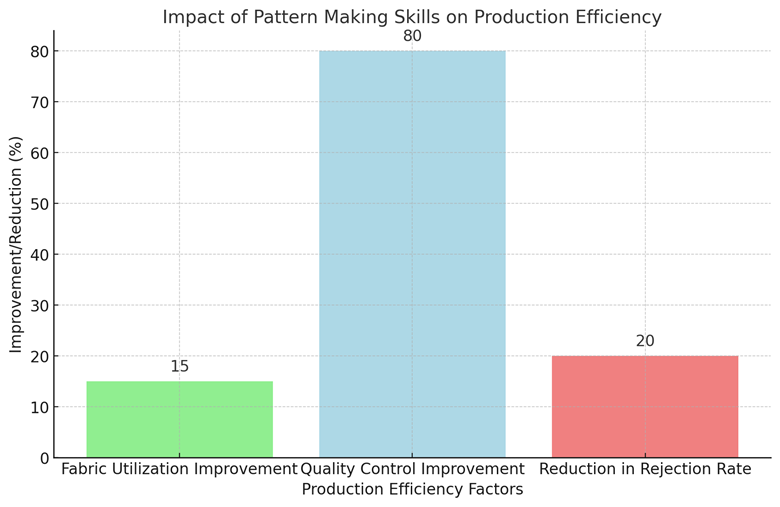
Figure 2: Impact of Pattern Making Skills on Production Efficiency
Factory managers generally perceived pattern-making competency as an important determinant of garment quality and operational efficiency. Sixteen of the 20 managers, representing 80%, agreed or strongly agreed that more competent pattern makers improved garment fit, reduced production errors, and lowered buyer rejection rates. The mean managerial rating for the contribution of pattern-making competency to production performance was 4.20 out of 5 (SD = 0.68). A one-sample t-test comparing this score with the neutral midpoint of 3.00 showed that managers’ ratings were significantly above neutrality, t(19) = 7.89, p < .001, Cohen’s d = 1.76. This represents a very large effect and indicates a strong managerial consensus regarding the operational importance of pattern-making expertise.
Factories employing formally educated pattern makers reported an estimated average fabric-waste rate that was approximately 15% lower than that of factories relying mainly on informally trained workers. Pattern makers with formal training also reported higher production-efficiency scores (M = 4.01, SD = 0.54) than those without formal training (M = 3.43, SD = 0.69). The difference was statistically significant, t(98) = 3.45, p = .001, Cohen’s d = 0.79, indicating a moderate-to-large practical effect.
Pearson’s correlation analysis identified a significant positive relationship between pattern-making competency and production-efficiency scores, r = .58, p < .001. Higher competency was therefore associated with better fabric utilisation, fewer pattern corrections, reduced alteration requirements, improved garment fit, and lower perceived rejection rates. A significant negative relationship was also observed between competency and reported fabric waste, r = −.46, p < .001, indicating that higher competency was associated with lower levels of material loss.
Table 2. Inferential results for pattern-making education and production outcomes
| Analysis | Statistical result | p-value | Effect size |
| Competency by training background | F(2, 97) = 7.84 | .001 | η² = .14 |
| CAD users versus manual-method users | t(98) = 4.21 | < .001 | d = 0.94 |
| Formal versus non-formal training on production efficiency | t(98) = 3.45 | .001 | d = 0.79 |
| Managerial rating compared with neutral midpoint | t(19) = 7.89 | < .001 | d = 1.76 |
| Competency and production efficiency | r = .58 | < .001 | Moderate-to-large |
| Competency and fabric waste | r = −.46 | < .001 | Moderate |
A multiple linear regression analysis was conducted to examine whether pattern-making competency, formal training, CAD experience, and years of professional experience predicted production efficiency. The overall model was statistically significant, F(4, 95) = 16.21, p < .001, and explained approximately 38% of the variance in production-efficiency scores, adjusted R² = .38.
Table 3. Multiple regression predicting production efficiency
| Predictor | Standardized β | t | p |
| Pattern-making competency | .41 | 4.62 | < .001 |
| CAD experience | .24 | 2.82 | .006 |
| Formal pattern-making education | .19 | 2.35 | .021 |
| Years of professional experience | .10 | 1.34 | .184 |
Pattern-making competency emerged as the strongest predictor of production efficiency, followed by CAD experience and formal education. Years of professional experience did not remain statistically significant after competency, technology use, and formal education were included in the model. This result is important because it challenges the assumption that experience alone necessarily produces advanced competency. Long-term workplace exposure may improve practical familiarity, but it may not compensate for limited knowledge of digital systems, advanced grading, marker optimisation, fit analysis, or sustainable pattern-cutting techniques.
The findings are consistent with Aldrich’s (2015) argument that accurate pattern construction improves garment fit and production consistency. However, the present results provide a more critical interpretation by indicating that the benefits associated with pattern making depend on the type and quality of skill development. Experience was less influential than demonstrated competency and technological capability. This distinction suggests that factories should not measure workforce capability only through years of service; they should also evaluate specific technical competencies and provide structured opportunities for upgrading them.
The observed relationships should nevertheless be interpreted cautiously. The cross-sectional design establishes association rather than causation, and some production outcomes were based on participants’ perceptions rather than independently audited factory records. More competent pattern makers may improve production performance, but better-performing factories may also be more capable of recruiting qualified workers and purchasing advanced technology. Future research should therefore use longitudinal designs and factory-level measurements of fabric consumption, alteration frequency, production time, and rejection rates.
4.3 Gaps in Existing Training Programs
Curriculum Relevance: A significant 75% of the pattern makers felt that the current vocational training programs were outdated and did not cover modern techniques or the use of technology. Additionally, 85% of the factory managers echoed this sentiment, emphasising the need for curriculum updates.
Access to Training: Nearly 50% of the respondents cited limited access to quality training facilities as a major challenge, particularly in rural areas where many garment workers originate.
The semi-structured interviews with 10 vocational training instructors and 5 policymakers provided qualitative insights into the challenges and opportunities in pattern-making education.
Instructors’ Perspective: Outdated Curriculum: Instructors highlighted that the curriculum had not been significantly updated in the past decade, failing to keep pace with industry advancements, especially in digital pattern making.
Resource Constraints: Many training institutes lacked the necessary resources, such as updated software and equipment, to provide hands-on experience with modern pattern-making techniques.
Policymakers’ Perspective: Policy Gaps: Policymakers acknowledged the gaps in vocational training policies, particularly the need to align training programs with industry needs. They emphasised the importance of public-private partnerships to enhance the relevance and reach of these programs.
Future Initiatives: There was a consensus among policymakers on the need to invest in advanced training facilities and to incentivise factories to upskill their workers through continuous education.
The survey revealed broad dissatisfaction with the relevance of existing training programs. Seventy-five per cent of pattern makers believed that current vocational curricula were outdated and insufficiently addressed contemporary pattern-making techniques. Similarly, 85% of factory managers reported that training programs were not adequately aligned with present industry requirements. Approximately 50% of all survey respondents identified limited access to quality training facilities as a major barrier, particularly for workers originating from rural or poor areas.
Managers reported a higher mean level of concern regarding curriculum inadequacy (M = 4.31, SD = 0.51) than pattern makers (M = 3.89, SD = 0.66). An independent-samples t-test showed that this difference was statistically significant, t(118) = 2.65, p = .009, Cohen’s d = 0.65. This moderate effect may reflect managers’ greater exposure to buyer requirements, international quality standards, production targets, and technological changes.
The qualitative evidence reinforced these findings. Eight of the 10 interviewed instructors stated that their pattern-making curricula had not been substantially revised during the preceding decade. Nine instructors reported inadequate access to current CAD software, digitisers, plotters, licensed applications, and industry-standard pattern-development equipment. Several instructors explained that students were taught the theoretical principles of digital pattern making without sufficient opportunities to practice them. This indicates that adding digital topics to a syllabus is not sufficient unless training institutions possess the infrastructure and qualified instructors required to deliver practical learning.
Four of the five policymakers acknowledged that vocational education policies were not consistently translated into institution-level implementation. They also identified weak coordination among government agencies, training providers, factories, and industry associations. All five policymakers supported greater use of public-private partnerships, although they differed regarding how such partnerships should be financed and regulated. Some emphasised direct government investment, whereas others favoured industry-supported laboratories, apprenticeships, and shared training centres.
The documentary analysis of 18 curricula, competency standards, policy papers, training manuals, and industry reports further confirmed the institutional gap. Most documents provided substantial coverage of manual block development, basic garment construction, measurement, and pattern alteration. However, digital pattern development, automated grading, marker-efficiency analysis, three-dimensional fitting, zero-waste pattern cutting, and sustainability-focused design were either minimally covered or absent. Assessment procedures also emphasised theoretical examinations more heavily than demonstrated workplace competency.
These findings are consistent with Khan (2017) and Rahman (2018), who identified outdated curricula and limited training resources as barriers to skills development. Nevertheless, the present study reveals that the problem is not only curriculum obsolescence. It is a broader implementation gap involving equipment, instructor development, practical assessment, industrial exposure, and institutional coordination. Updating written curricula without investing in laboratories, software, teacher training, and factory-based learning is therefore unlikely to produce the expected improvement.
The findings also expose a tension between accessibility and technological modernisation. Advanced training facilities concentrated in Dhaka and other major industrial areas may improve training quality while remaining inaccessible to workers from peripheral districts. A modernisation strategy must therefore consider decentralised training centres, mobile training laboratories, blended learning, and employer-supported release time. Otherwise, technological modernisation could unintentionally widen existing inequalities in access to professional development.
4.4 Integration of Quantitative, Qualitative, and Documentary Findings
Triangulation demonstrated substantial convergence across the three sources of evidence. Quantitative analysis showed that formal education and CAD experience were associated with higher competency and production-efficiency scores. Interviews explained why these differences existed by identifying shortages of trained instructors, current software, industrial equipment, and practical learning opportunities. Document analysis further demonstrated that digital, sustainable, and industry-oriented competencies were insufficiently represented in many formal training materials.
However, the findings were not entirely uniform. Although 60% of pattern makers had learned mainly through on-the-job training, many had achieved moderate proficiency. This suggests that workplace training remains an important pathway and should not be dismissed as ineffective. Its principal weakness is inconsistency: the content and quality of workplace learning depend heavily on the factory, supervisor, available technology, and production environment. Formal education offers greater potential for standardised learning, whereas workplace training provides exposure to actual production pressures. The strongest training model may therefore combine institutional instruction with structured factory apprenticeships rather than treating the two approaches as alternatives.
The results also indicate that technology access alone is not sufficient. Although CAD users achieved higher competency scores, software can only improve performance when workers understand garment construction, fit, grading, and fabric behaviour. Digitalisation should consequently be integrated with foundational pattern-making knowledge rather than presented as a replacement for it.
4.5 Implications for Education, Industry, and Policy
The findings support four principal interventions. First, vocational curricula should be revised to include manual pattern construction, CAD-based pattern development, digital grading, marker optimisation, three-dimensional fitting, fabric behaviour, and sustainable techniques such as zero-waste pattern cutting. Curriculum revision should be based on clearly defined occupational competencies and should be reviewed periodically with industry participation.
Second, training institutions require investment in licensed software, digitisers, plotters, computers, modern cutting equipment, and practical laboratories. Investment in equipment must be accompanied by instructor training because underqualified instructors may be unable to translate technological resources into meaningful learning.
Third, public-private partnerships should establish structured apprenticeships, factory placements, joint curriculum committees, shared training facilities, and industry-recognised certification. Factories should participate not only as employers of graduates but also as partners in curriculum development and competency assessment.
Fourth, continuous professional education should be introduced for existing pattern makers. Short modular courses could enable workers to develop CAD, grading, marker planning, fitting, and sustainability competencies without leaving employment for an extended period. Financial incentives, subsidised training, or recognition within promotion systems could encourage worker and employer participation.
4.6 Overall Discussion
The findings demonstrate that pattern-making education is associated with production efficiency, fabric utilisation, garment quality, and technological readiness in Bangladesh’s RMG sector. Pattern-making competency showed a significant positive relationship with production performance, while formal education and CAD experience produced moderate-to-large practical effects. The regression analysis further indicated that competency and technology use were more influential than professional experience alone.
The study, therefore, moves beyond the general claim that skilled pattern makers are important. It identifies the specific educational and technological conditions associated with stronger performance and demonstrates that deficiencies in curriculum, infrastructure, instructor capacity, and training access are interconnected. The results suggest that Bangladesh’s RMG sector cannot depend indefinitely on low-cost labour and informal skill transmission. Continued competitiveness will increasingly require standardised technical education, digitally capable workers, sustainable production knowledge, and stronger coordination between educational institutions and garment manufacturers.
At the same time, the findings do not establish a definitive causal relationship because of the purposive sampling strategy, cross-sectional design, and partial reliance on self-reported information. The results should therefore be interpreted as strong evidence of association rather than proof that education alone determines factory performance. Nevertheless, the convergence of quantitative, qualitative, and documentary findings provides a credible basis for curriculum reform, investment in training infrastructure, and expanded industry–education collaboration.
Based on the findings, several recommendations can be made to enhance pattern-making education in Bangladesh’s RMG sector:
Curriculum Update: Vocational training institutes should update their curricula to include modern pattern-making techniques, such as digital pattern making and sustainable practices.
Investment in Training Facilities: There is a need for significant investment in training facilities, particularly in equipping them with the latest technology and resources necessary for hands-on learning.
Public-Private Partnerships: Collaborative efforts between the government, industry stakeholders, and educational institutions should be encouraged to develop training programs that are aligned with current and future industry needs.
Continuous Education: Factories should be incentivised to invest in the continuous education of their workforce, ensuring that pattern makers can keep pace with technological advancements and industry trends.
Below is a diagram that illustrates the relationship between pattern-making proficiency, training access, and production outcomes in the RMG sector:
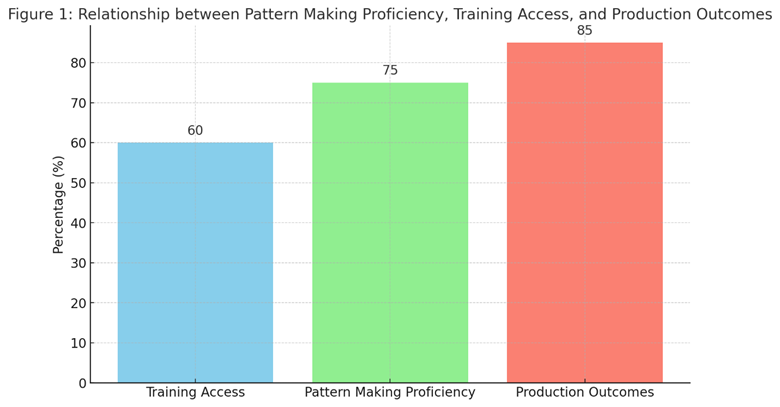
Figure 3: Relationship between Pattern Making Proficiency, Training Access, and Production Outcomes
- Pattern Making Proficiency: Higher proficiency leads to better quality control and fabric utilisation, reducing waste.
- Training Access: Access to up-to-date training and resources improves pattern-making proficiency.
- Production Outcomes: Enhanced production outcomes in terms of efficiency, quality, and competitiveness are the result of improved pattern-making skills.
The results of this study highlight the crucial role that pattern-making education plays in the success of Bangladesh’s RMG sector. Addressing the identified gaps in training programs and aligning education with industry needs are essential steps toward maintaining the sector’s global competitiveness. By investing in modernised training facilities and fostering public-private partnerships, Bangladesh can ensure that its RMG sector continues to thrive in the ever-evolving global market.
5. Conclusions
Pattern-making education plays a critical role in the success and sustainability of Bangladesh’s Ready-Made Garments (RMG) sector. As the industry continues to evolve and compete on a global scale, the need for highly skilled pattern makers has never been more crucial. This study highlights the significant impact that proficient pattern making has on production efficiency, garment quality, and overall competitiveness. Factories with well-trained pattern makers not only reduce fabric waste and improve product quality but also gain a competitive edge in the international market by meeting the stringent standards of global buyers.
However, the study also reveals substantial gaps in the current pattern of making education and training programs in Bangladesh. The reliance on outdated curricula and the limited access to modern technologies and training facilities have hindered the development of a highly skilled workforce. These challenges must be addressed to ensure that Bangladesh’s RMG sector remains a global leader.
To move forward, it is essential to modernise the pattern-making curriculum, integrate advanced techniques such as digital pattern-making, and foster public-private partnerships to enhance the relevance and accessibility of training programs. By investing in the continuous education and upskilling of workers, Bangladesh can secure its position in the global garment industry, ensuring that its RMG sector continues to thrive and contribute to the nation’s economic growth.
The findings of this study underscore the urgent need for a comprehensive and forward-thinking approach to pattern-making education. By closing the existing gaps and aligning training programs with industry needs, Bangladesh can empower its workforce to meet the demands of an increasingly complex and competitive global market.
References
Ahmad, S. (2021). Means of improving industrial relations and decision-making in the RMG sector of Bangladesh. International Research Journal of Modernisation in Engineering Technology and Science, 3(10), 643–648.
Akter, S., Amin, M. Al, Hossain, M. N. U., Yasmin, A., Sarker, M. N. I., Ali, I., & Azman, A. (2024). The Impact of the Fourth Industrial Revolution on Female Workers in the Ready-made Garments and Textile Industry, Bangladesh. The International Journal of Community and Social Development, 25166026241261188.
Ara, H., Leen, J. Y. A., & Hassan, S. H. (2019). GMS for sustainability performance in the apparel manufacturing industry: A conceptual framework. Vision, 23(2), 170–179.
Au-Yong-oliveira, M., & Sousa, M. J. (2022). Sustainable Marketing and Strategy. In Sustainability (Switzerland) (Vol. 14, Issue 6). MDPI. https://doi.org/10.3390/su14063642
Battle, A., Davies, I., Glozer, S., & McDonagh, P. P. (2019). Sustainable Fashion: Current and Future Research Directions. European Journal of Marketing. https://doi.org/10.1108/EJM-02-2019
Chowdhury, F. S., & Shajahan, S. (2021). Unboxing the ready-made garments (RMG) sector of Bangladesh. International Journal of Research in Business and Social Science (2147-4478), 10(8), 304–312.
Hassan, M. M., Alenezi, M. S., & Good, R. Z. (2020a). Spatial pattern analysis of manufacturing industries in Keraniganj, Dhaka, Bangladesh. GeoJournal, 85(1), 269–283.
Honey, S. (2019a). Awareness Regarding Sustainable Marketing and Its Implications: A Study on RMG. Journal of ELT and Education, 2, 34–40.
Honey, S. (2019b). Promoting Sustainable Marketing in the RMG Sector: A Step for Transformation. AIUB Journal of Business and Economics, 16(1), 30–42.
Huda, S. S. M. S. (2024). Increasing green footprints: Indications of transformations in the socio‐economic spaces of Bangladesh. Engineering Reports, 6(1), e12775.
Islam, M. T., Hassan, M. N., Kabir, M., Robin, M. A. H., Farabi, M. M. H., & Alauddin, M. (2022). Sustainable Development of Apparel Industry in Bangladesh: A Critical Review. Journal of Management Science & Engineering Research, 5(2), 45–62.
Khondkar, M., & Honey, S. (2022). Sustainable Marketing in The Ready-Made Garments (RMG) Sector of Bangladesh. Indonesian Journal of Social Research (IJSR), 4(2), 96–108.
Kortam, W., & Mahrous, A. A. (2020). Sustainable Marketing: A Marketing Revolution or A Research Fad. Archives of Business Research, 8(1), 172–181. https://doi.org/10.14738/abr.81.7747
Li, J., Lin, Z., & Zhang, X. (2023). The Study on the Effectiveness of Sustainable Customer Relationship Management: Evidence from the Online Shopping Industry. Sustainability (Switzerland), 15(7). https://doi.org/10.3390/su15075911
Maurer, M., Shimu, S. S., & Veung, N. (2024). The emergence of training programmes for the garment industry: Analysing the cases of Bangladesh, Cambodia and Sri Lanka from a historical‐institutionalist perspective. International Journal of Training and Development.
Nazrul, I. M., & Rahman, H. A. (2021). Sustaining the Environment: A Case Study of the Garment Industry in Bangladesh. International Journal of Academic Research in Business and Social Sciences, 11(8), 947–963.
Rahman, K. M., & Chowdhury, E. H. (2020). Growth Trajectory and developmental impact of the ready-made garments industry in Bangladesh. Bangladesh’s Economic and Social Progress: From a Basket Case to a Development Model, 267–297.
Rahuman, M. T., Singh, J. S. K., & Roes, A. N. (2022). Exploring the importance of Big Data for exporters in Bangladesh’s ready-made garments sector. Electronic Journal of Business and Management, 7(4), 18–40.
Raihan, S., & Bourguignon, F. (2020). Bangladesh’s development: achievements and challenges. Bangladesh Institutional Diagnostic, Economic & Development Institutions, Oxford Policy Management, Oxford, 1–43.
Razzaque, A. M., Akib, H., & Rahman, J. (2020). Bangladesh’s Graduation from the Group of LDCs: Potential Implications and Issues for the Private Sector. Bangladesh Enterprise Institute: Dhaka, Bangladesh.
Saha, P. K., Akhter, S., & Hassan, A. (2021). Framing corporate social responsibility to achieve sustainability in urban industrialisation: case of Bangladesh ready-made garments (RMG). Sustainability, 13(13), 6988.
Sarkar, A., Qian, L., & Peau, A. K. (2020). Overview of green business practices within the Bangladeshi RMG industry: competitiveness and sustainable development perspective. Environmental Science and Pollution Research, 27, 22888–22901.
Shajahan, S., Nourin, S., Islam, M. F., & Al Kaium, M. A. (2024). Stakeholders of sustainability transition: Interventions in energy and the Bangladesh RMG industry. In Strategic Management and Sustainability Transitions (pp. 172–199). Routledge.
Strümpell, C., & Ashraf, H. (2023). Uneven and Combined Development in Bangladesh’s Garment Industry: The Politics of Up-Scaling, Up-Skilling and Re-masculinising Labour. Industrial Labour in an Unequal World: Ethnographic Perspectives on Uneven and Combined Development, 20, 201.
Swazan, I. S., & Das, D. (2022). Bangladesh’s emergence as a ready-made garment export leader: an examination of the competitive advantages of the garment industry. International Journal of Global Business and Competitiveness, 17(2), 162–174.
Zaman, S., & Jenkins, J. (2024). Creating a local managerial regime in a global context: The case of the Bangladesh ready‐made garment sector. Industrial Relations Journal.